Spanish → English
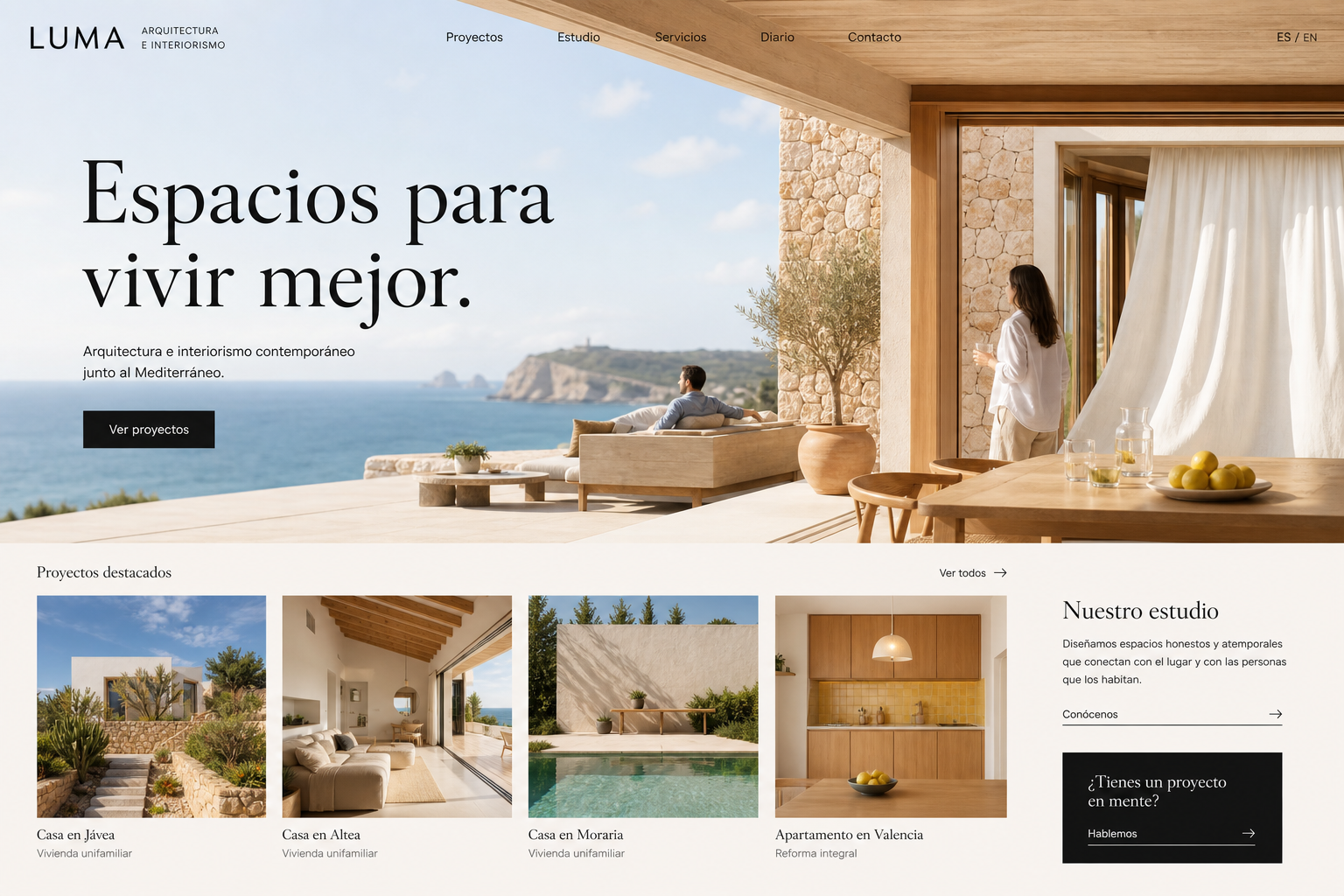
“Una consultora de sostenibilidad en Bogotá que ayuda a hoteles pequeños”
An English-facing authority site that keeps the Colombian business context and offer intact.
Multilingual AI website builder
A multilingual AI website builder lets you describe a business in one supported language and create the finished website for readers in another. Casel keeps prompt language and website language separate, so a founder can think naturally, preserve business context, and produce responsive website copy for the audience they actually serve.
Your first build starts with a useful sentence, not a template hunt.
Why this works
Spanish → English
“Una consultora de sostenibilidad en Bogotá que ayuda a hoteles pequeños”
An English-facing authority site that keeps the Colombian business context and offer intact.
Hindi → English
“जयपुर का एक हस्तनिर्मित सिरेमिक स्टूडियो जो दुनिया भर में भेजता है”
A concise international storefront direction without flattening the maker's local story.
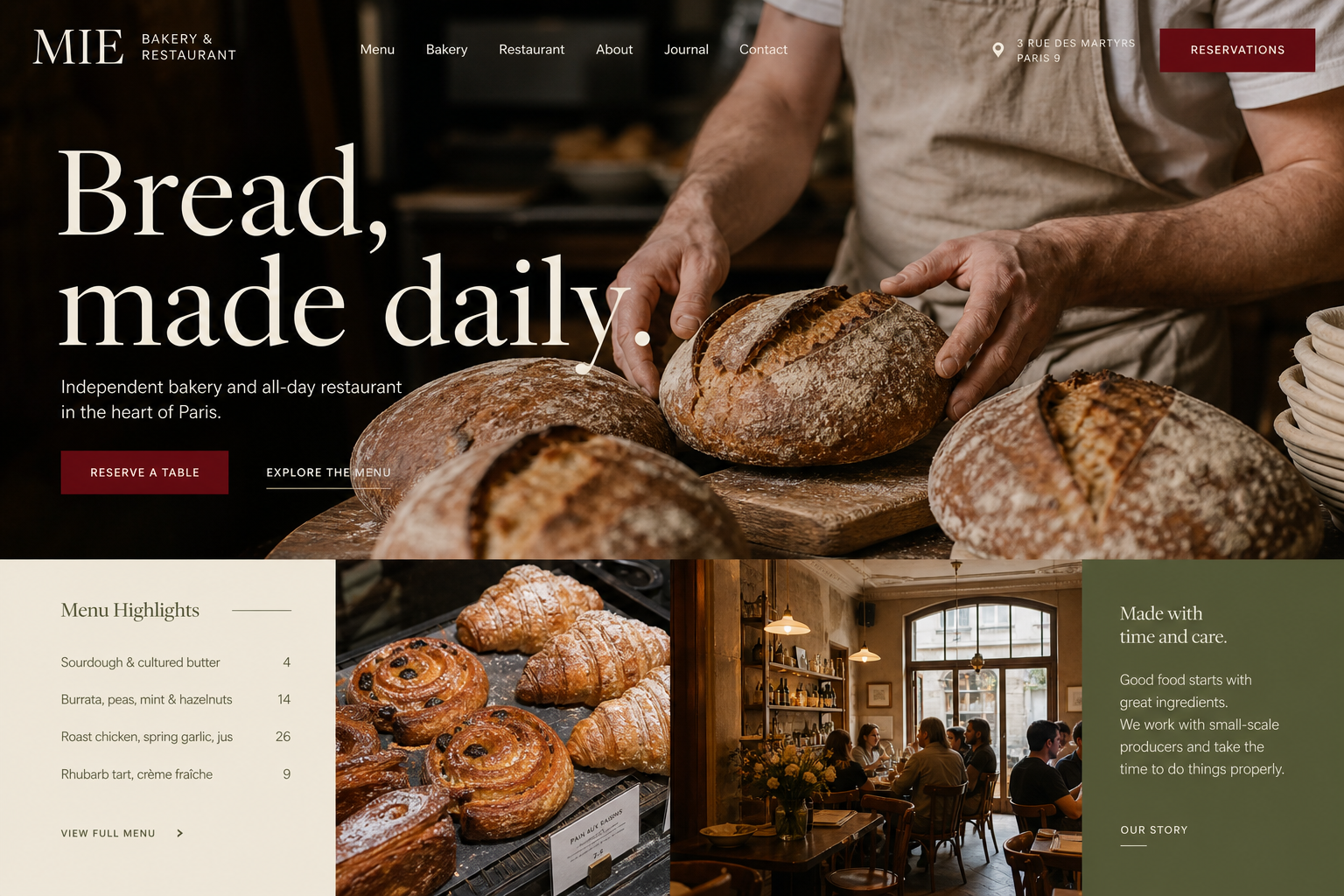
English → Spanish
“A calm physiotherapy clinic serving runners and active families in Valencia”
Spanish website copy written for local patients rather than translated button by button.
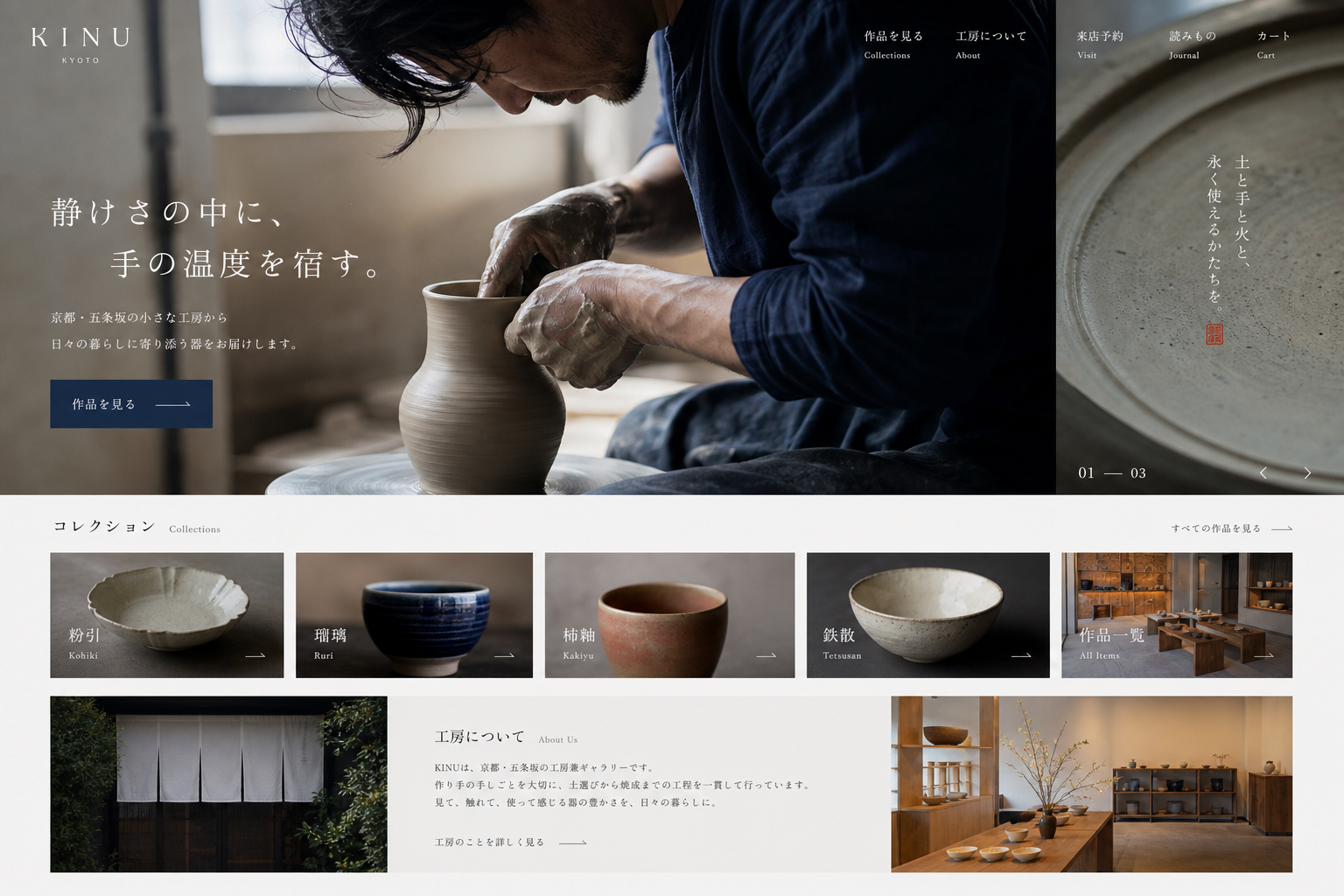
Japanese → Japanese
“京都の小さな旅館。静かな滞在と地域の朝食を大切にしています。”
A Japanese-first hospitality direction with appropriate hierarchy, line length, and density.
How it works
Step 1
Use whichever supported language lets you describe the offer, audience, place, and personality with the most useful detail.
Step 2
Select the website language from the customers you need to reach, not from the language you happened to type.
Step 3
Casel writes the hierarchy, copy, calls to action, and responsive visual direction for the chosen audience and script.
Step 4
Check names, market terminology, tone, cultural assumptions, and the customer action before treating any generated copy as final.
What is included
What is not included
Compare the workflow
| Workflow | What it does | Question to verify |
|---|---|---|
| Language-first generation | Creates for the chosen audience while keeping the original brief as context | Can prompt and website languages be selected separately? |
| Machine translation | Converts existing copy after the page has been designed | Are tone, layout, and calls to action reviewed for the market? |
| Localization management | Maintains multiple published locale versions and translation workflows | Does each language get a crawlable URL and reciprocal hreflang? |
| Manual native writing | Uses a fluent writer or reviewer for market-specific copy | Who owns updates and quality control over time? |
Questions
Product facts reviewed 2026-09-01.
It is a website-building tool that can understand prompts and create website content across more than one language. Casel also separates the language used for the prompt from the language used on the finished website.
Yes. You can describe the business in any of Casel's 11 supported languages and independently choose the language the finished website should use.
Casel currently supports English, German, Spanish, French, Hindi, Indonesian, Japanese, Korean, Malay, Tamil, and Simplified Chinese.
No. Casel uses the business context, audience, and chosen website language to write the page direction for that audience. It is not a blind word-for-word translation pass.
Yes. A founder can explain the business in Spanish, Hindi, German, or another supported language and choose a different supported language for the website readers.
This Casel V1 build creates one primary website-language preview. A production multilingual site should give every published language a stable crawlable URL with appropriate canonical and hreflang annotations.
The Trial pack costs $2.99 once for one complete website and three follow-up changes. No subscription starts automatically; optional plans support ongoing sites and prompts.
Yes. A fluent reviewer should check names, claims, market terminology, tone, and customer actions before publication, especially for regulated or high-stakes content.